How Do You Actually Use Your Home Day to Day?
Before any plans get drawn up, it's worth thinking through the basics:
- Where does everyone gather most?
- Do you need quiet space away from the main living area?
- How much of your day happens in the kitchen?
- Do you work from home, even occasionally?
- What do mornings and evenings actually look like?
Think about what works in your current home and what doesn't. Maybe you're always short on storage, need another living space or want the kitchen to feel more connected.
These everyday things can help shape a layout that works better for you.
Design For Your Stage of Life
What works for your household now might not work in five or ten years. It's worth thinking about:
- Young kids needing sightlines from the kitchen
- Teenagers wanting more separation
- Multi-generational living
- Working from home
- Downsizing or future-proofing for later in life
A good layout has some flexibility built in, rather than locking you into one way of living.
Let The Layout Follow How You Live
Some of the most useful design decisions are the ones that solve a real, everyday problem:
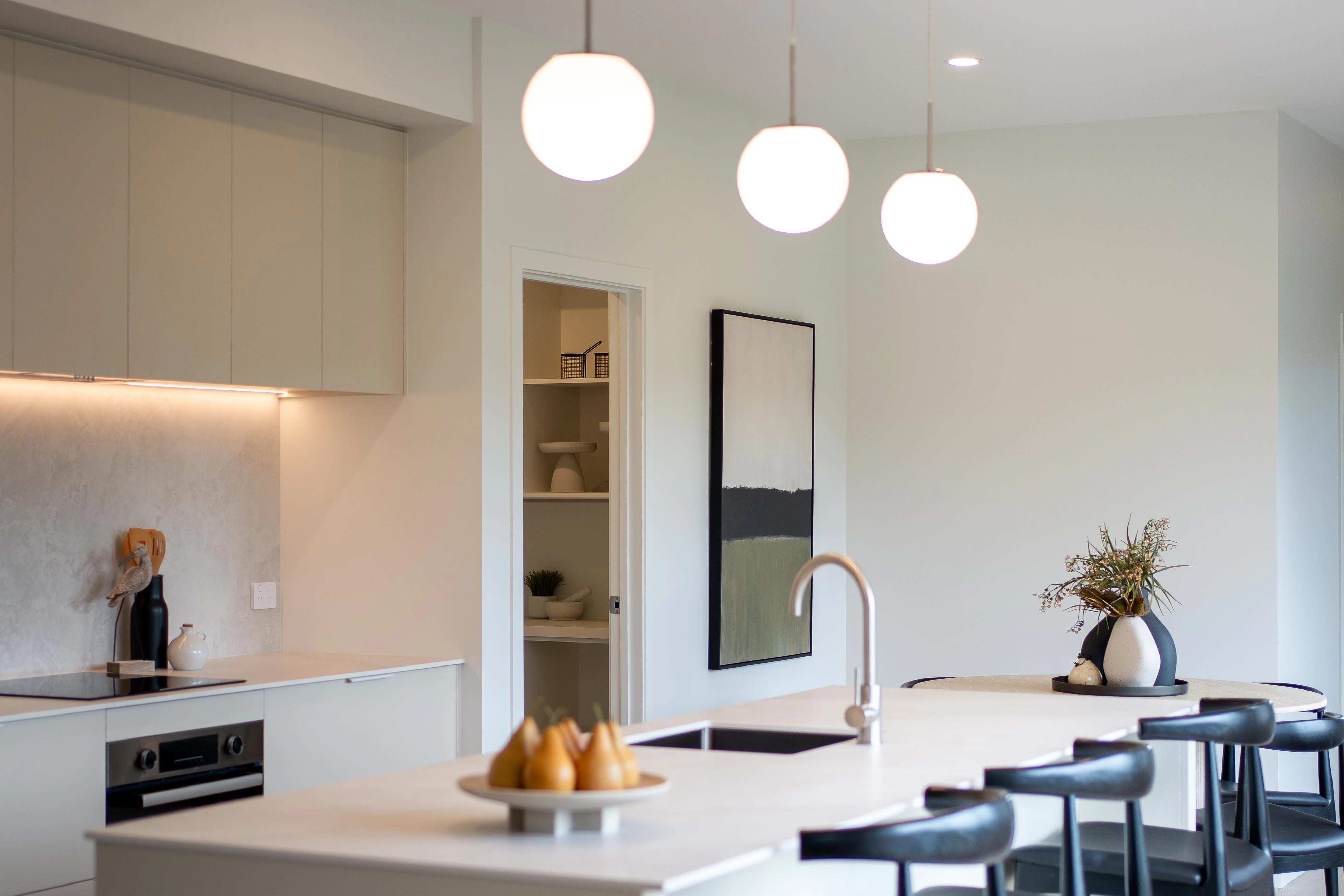
- A scullery to keep the main kitchen clear
- A mudroom for school bags and shoes
- A second living space to separate quiet time from noise
- Flow between indoor and outdoor spaces if you entertain often
Your section also plays a part. Its size, shape and orientation can help determine the best layout and how you make the most of natural light and outdoor spaces.
Small Details That Make A Big Difference
Once the bigger layout decisions are made, the smaller ones matter too.
- Power points where you'll actually use them.
- Storage placed near where things get used.
- Good natural light in the rooms you spend the most time in.
They're simple details, but thinking about them early can make your home much easier to live in every day.
Good Design Starts With Good Questions
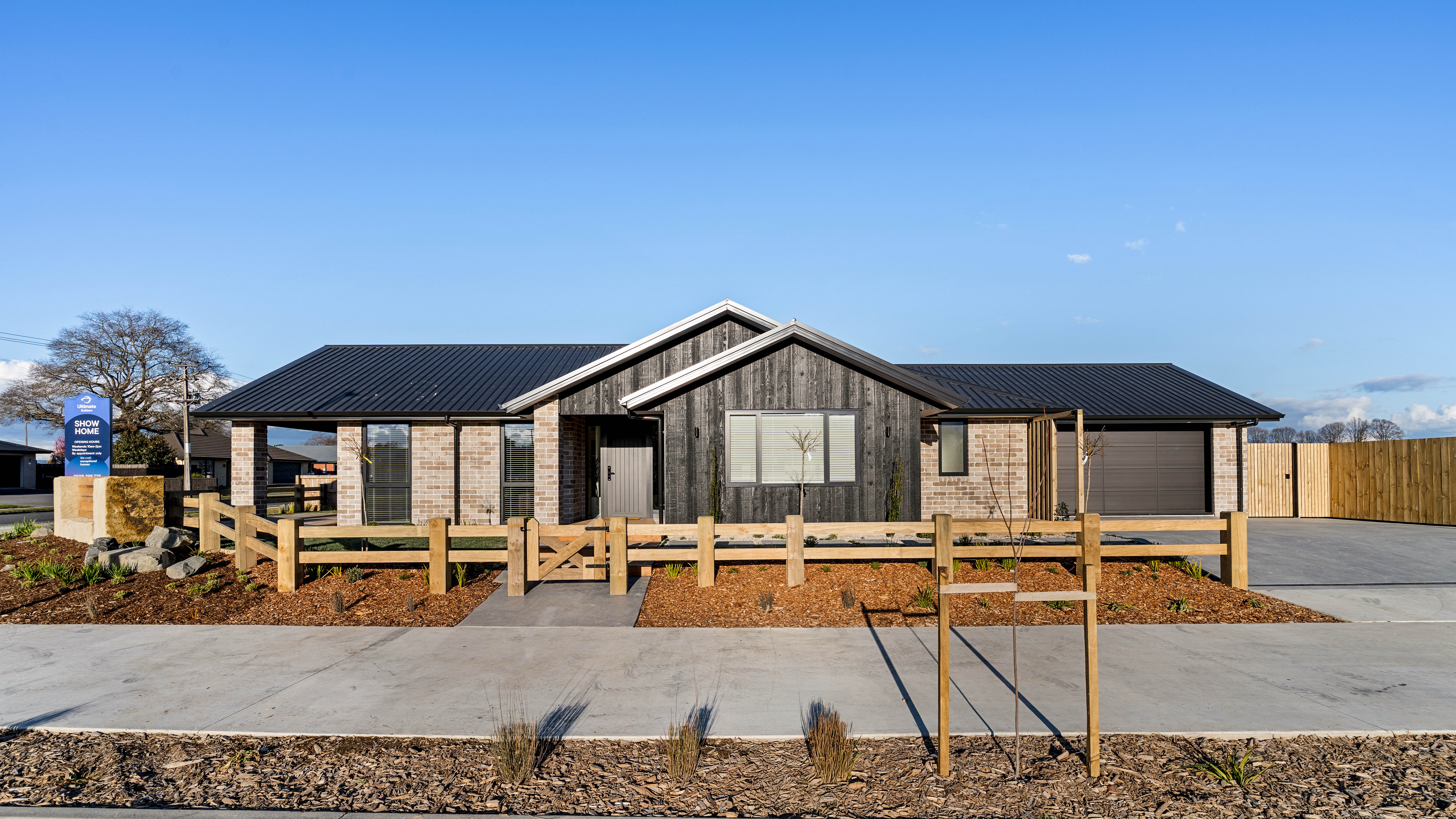
At Ultimate Builders, we spend time understanding how you live, what you need from your new home and the ideas you already have in mind.
You don't need to have everything figured out before you start. That's what the design process is for.
Ready to design a home that fits around your life? Let's talk!